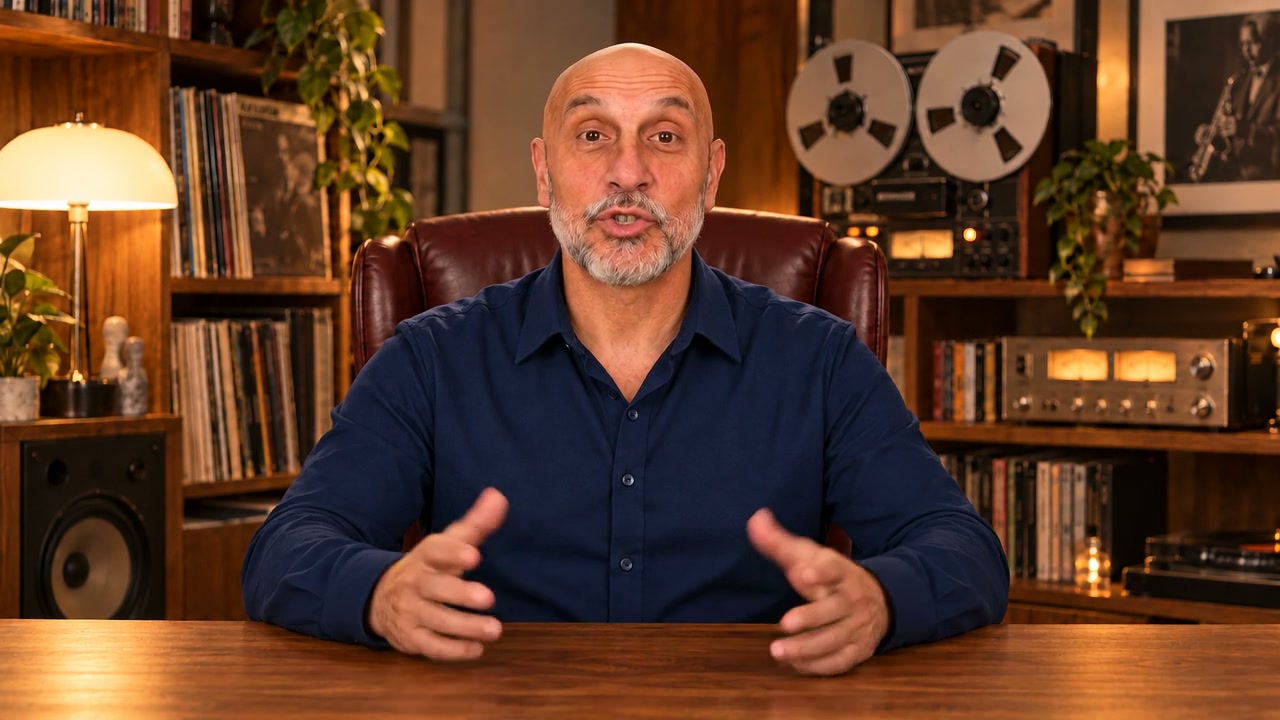
Brotherhood Field Notes with Jim
Ideas to live by.
Three minutes at a time.
Practical conversations about character, relationships and a life with purpose. Watch a field note, then carry one useful idea into your week.
Episode 03 · 2:49 · October 20, 2026
Keeping Small Promises
If you say you’ll call, call. If you promise to help, show up. Make realistic commitments, speak up when plans change, and follow through.
Press play to load YouTube’s privacy-enhanced player. YouTube may receive device and usage information when loaded. Privacy details · Watch on YouTube
AI disclosure: This video uses an AI-generated presenter and synthetic voice based on Jim’s likeness and voice, with his permission.
Episode notes, practice & transcript
Put it into practice
Pick one small promise. Follow through.
Choose one thing you’ve told someone you’ll do. Put it in your calendar or write it down, then do it without waiting to be reminded. If there’s a promise you can’t keep, let the other person know and work out what you can reasonably do next.
Read the full transcript
If you say you'll call, call. If you promise to help, show up. People trust you when you do what you said.
That sounds simple. Then the day gets busy. You tell someone you'll get back to them, and by dinner you've forgotten. You meant it when you said it. But they're still waiting.
Nobody gets this right every time. The point isn't to become the guy who never makes a mistake. It's to pay a little more attention to what you're agreeing to.
Say a friend asks for help moving on Saturday. Before you say yes, check your plans. If you've only got an hour, say that. “I can help from nine to ten.” Now he knows what to expect, and you've made a promise you can actually keep.
The same thing goes at home. Maybe you said you'd handle dinner, make an appointment, or fix that loose door handle. It might seem like a small thing to you. To the person who asked, it may be one less thing they have to carry around in their head.
Here's something worth trying: stop saying “I'll try” when you already know you probably won't. It's okay to say, “I can't do that today.” You can still be kind. You don't have to agree to everything to be someone people can count on.
And when something changes, let them know. Don't leave it until they have to ask. “I'm running late. I'll be there at six instead of five.” Or, “I said I'd have this done today. I won't. Can we work out another time?”
If you've already let someone down, keep the apology simple. “I said I'd do it, and I didn't. I'm sorry.” Give them room to be upset. Then figure out what you can reasonably do next. A bigger promise won't fix the first one if you can't keep that either.
This week, pick one small thing you've told someone you'd do. Put it in your calendar, write it on a note, whatever helps you remember. Then do it without waiting to be reminded.
And if there's a promise hanging out there that you can't keep, have that conversation. Today, if you can. It may feel awkward, but at least the other person won't be left guessing.
That's where we'll leave it. One small promise, followed through. Thanks for spending a few minutes here with the Brotherhood of Men. I'll see you next time.
Episode 02 · 3:05 · October 19, 2026
Listen Before You Solve
Sometimes the most useful thing you can offer is your attention. Ask an open question, reflect what you heard, and find out whether advice would help.
Press play to load YouTube’s privacy-enhanced player. YouTube may receive device and usage information when loaded. Privacy details · Watch on YouTube
AI disclosure: This video uses an AI-generated presenter and synthetic voice based on Jim’s likeness and voice, with his permission.
Episode notes, practice & transcript
Put it into practice
Listen first. Ask before advising.
Choose one respectful conversation. Put distractions away. Ask one open question and let the answer finish. Reflect what you heard, then ask whether advice would help. Afterwards, notice where you interrupted and what you learned when you did not.
Listening does not mean accepting insults or threats, or agreeing with every conclusion. Attention and clear boundaries can coexist.
Read the full transcript
Someone you care about says, I've had a hard day. Before they've finished, you've already offered three solutions. You mean well. You want to help. But sometimes the most useful thing a man can offer is not an answer. It's his attention.
Welcome to The Brotherhood of Men. Our focus today is simple: listen before you solve. Not because solutions don't matter, but because you need to understand the problem before you try to fix it. Sometimes, the person speaking simply wants to be heard.
Imagine a friend telling you that work has become exhausting. Your first instinct might be, Find another job. That may eventually be worth discussing. But first, try this: What has been the hardest part? Then give him room to answer without steering the conversation.
Listening asks us to slow down. Set your phone aside. Give the other person time to finish. If you're busy planning what to say next, return your attention to their words. You don't need a perfect response. Stay present, and make room for their answer.
Before offering advice, check what you've understood. You could say, It sounds like you're doing a lot, and you don't feel supported. Have I got that right? If they correct you, listen to the correction. Understanding is the goal, not proving that you understood immediately.
Then ask a useful question: Would you like me to listen, or help think through a solution? Ask it with genuine curiosity, not impatience. If they want ideas, offer one or two. If they want to talk, you don't have to fill every pause.
Listening doesn't mean you must agree with every conclusion. You can understand why someone is upset and still question what they plan to do next. You might say, I see why that bothered you. Let's talk about what happens now. Care and clear judgment can belong in the same conversation.
And listening doesn't mean accepting insults or threats. You can pause a conversation that becomes abusive. Attention is a gift, not the surrender of your boundaries. The practice we're talking about is ordinary, respectful conversation between people who are willing to give each other room.
Here's your practice for the week. Choose one conversation. Put distractions away, ask one open question, and let the answer finish. Reflect back what you heard. Then ask whether advice would help. Afterwards, notice where you interrupted, and what you learned when you didn't.
Don't turn this into another performance to get right. Start with one honest attempt. Being dependable includes being available, not just being useful with a tool or an answer. Give someone your attention before you give them your solution. Stand steady. Live deliberately.
Keep exploring
Practical educational discussion—not therapy or individualized professional advice.
Episode 01 · 3 minutes · October 16, 2026
Four Anchors for a Better Life
Stoicism. Leadership. Honesty. Love. Four daily choices that matter most when living them is difficult.
Press play to load YouTube’s privacy-enhanced player. YouTube may receive device and usage information when loaded. Privacy details · Watch on YouTube
AI disclosure: This video uses an AI-generated presenter based on Jim’s likeness and voice, with his permission.
Episode notes, practice & transcript
Put it into practice
Make one good intention visible.
This week, choose one realistic promise, one honest conversation, or one concrete act of care. Follow through. At the end of the week, ask what changed—and what needs another try.
Read the full transcript
What kind of person do we become when life stops going our way? I keep coming back to four things: stoicism, leadership, honesty, and love. Not as impressive words, but as daily choices. They matter most when living them is difficult.
Stoicism begins with a simple distinction. We cannot control every event, or what another person thinks. We can work on our judgment, our choices, and our response. That is not surrender. It is putting our energy where it can actually make a difference.
And being stoic does not mean being cold. Feel the disappointment. Acknowledge the fear. Then pause before you act. Ask yourself: what would courage, fairness, and good judgment look like right now? Sometimes strength is simply refusing to pass your frustration to somebody else.
Leadership starts with example, not a title. People watch how we act when nobody is praising us. Do we listen carefully? Do our actions match our promises? When the work gets hard, do we stand beside people? That is the kind of leadership worth following.
A good leader does not need to have every answer. A good leader needs the courage to say, I was wrong. Let us fix it. Give credit freely. Take responsibility honestly. Help other people become stronger. Their growth is not a threat to your value.
Honesty makes that kind of leadership possible. Without trust, even a brilliant plan rests on shaky ground. Tell the truth about what you know, what you do not know, and what you can deliver. Do not make promises simply because they sound reassuring.
But truth does not require cruelty. Speak clearly, and remember the human being in front of you. Listen when the truth is uncomfortable for you, too. An honest apology needs more than the right words. It needs a change that people can actually see.
Then there is love. Not just affection, and not just romance. Love is the decision to care through action. Make the call. Show up. Pay attention. Put the phone down. Let the people who matter to you feel that they matter, while you still can.
Love also has boundaries. Caring for someone does not mean accepting every harmful behavior. You can be compassionate and firm. You can forgive and still protect your peace. Real kindness respects both people, including you. Strength and tenderness are not enemies. They belong together.
Here is my challenge, for myself as much as anyone: take a breath before reacting. Lead by example. Tell the truth with kindness. Make love visible in what you do. We will not get it right every time. But today, we can practice. Start there.
Keep exploring
- What a Strong Relationship Actually Needs From You
- The Fatherhood Standard: Be Present Before You’re Perfect
- Philosophical background: Stanford Encyclopedia of Philosophy — Stoicism
Philosophical reflection and practical encouragement—not medical or mental-health treatment.
The field-note collection
More field notes
Choose an episode to watch above.